



For many buyers, financing a prefab modular home can feel unfamiliar at first.
Questions around lending, deposits, valuations and pre-approvals often come up early, and it is easy to assume the process is more complicated than financing a traditional home.
The good news is that modular home finance is far more straightforward than many people expect.
As discussed in Anchor Homes’ recent podcast with director Lester Raikes and Daniel Lagden from Level Up Loans, the biggest challenge is often not the finance itself. Instead, it is finding the right lender and broker who understand modular construction.
With the right support, and with modular builders like Anchor Homes now accredited by The Commonwealth Bank (CBA) under its modular finance pathway, the process can feel clear, manageable and far less stressful than buyers often imagine.
Modular Home Finance Is Easier Than Many Buyers Expect
One of the biggest misconceptions in the market is that modular homes are hard to finance. This is simply not true.
In reality, that usually comes down to outdated advice or speaking with a lender who is unfamiliar with prefab construction. Daniel explains that many buyers are still told modular homes cannot be financed or require a huge amount of upfront capital. While that may have reflected the market years ago, it is no longer the reality for many buyers today.
What makes the difference?
There are lenders who understand modular homes, and there are lending solutions available that can support them. The key is working with a broker who knows the modular space and can guide buyers towards the right product and lender from the start.
Early advice can help buyers:
• Save time
• Avoid confusion
• Understand borrowing options sooner
• Move through the process with more confidence
How Lending For A Modular Home Has Become More Accessible in 2026
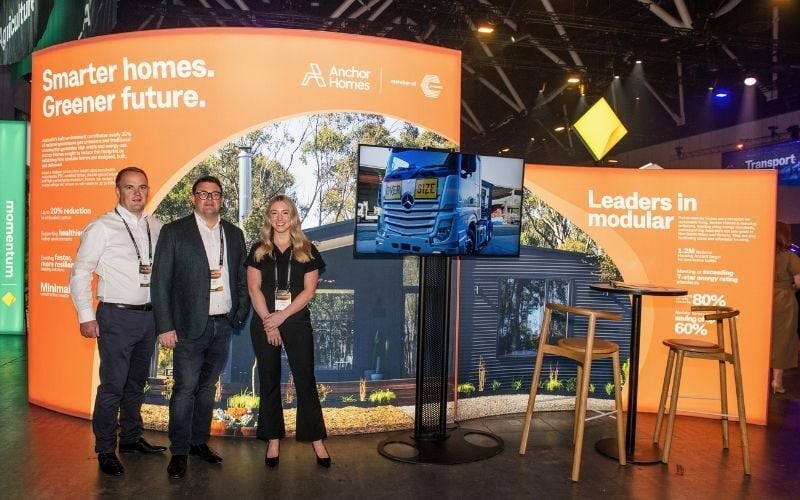
The lending landscape has now significantly improved for prefab modular homes.
Historically, buyers often needed to contribute a much larger amount of cash to fund a modular build. That created the idea that prefab homes were only suitable for people who could self-fund a significant portion of the project.
Today, modular lending is becoming much more aligned with traditional construction lending.
Why this change matters
A big part of this shift is growing lender confidence in the modular industry. In the podcast, Daniel highlights the significance of Anchor Homes being accredited by CBA under its modular finance pathway. That accreditation shows that one of Australia’s major banks recognises Anchor Homes as a builder it is comfortable supporting in this space, and it reflects the trust Anchor Homes has built in the market.
For buyers, that brings several benefits:
• Greater confidence in the modular finance process
• Access to lending pathways that are like a traditional build
• Less confusion around how lenders assess prefab homes
• Reassurance that modular construction is being taken seriously by major financial institutions
Busting Myths On Modular Home Finance
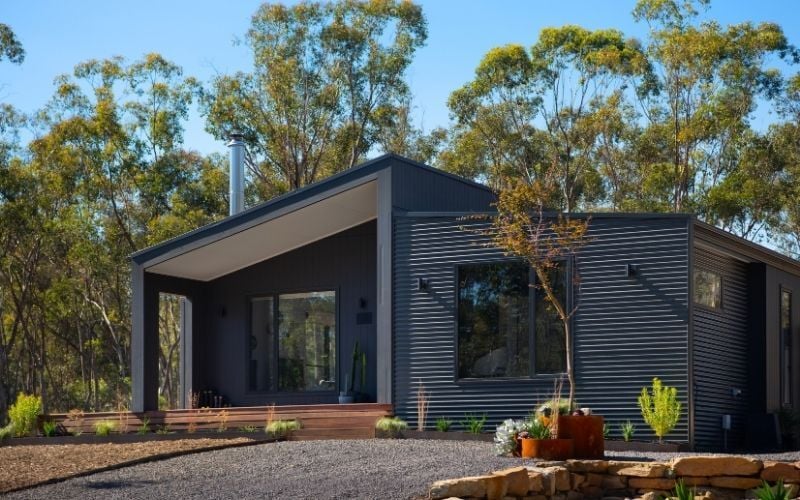
A lot of hesitation around modular homes comes from myths that no longer reflect the current lending environment.
✘ Myth 1: Modular homes cannot be financed
Fact: This is simply not true. Finance is certainly available, but it's important to work with a lender and broker who understand how modular projects are assessed.
✘ Myth 2: You need all the money upfront
Fact: This was more common in the past, but today many buyers do not need to self-fund the entire build. There are finance pathways that can support the project in stages, much like a traditional construction loan.
✘ Myth 3: Modular finance is more expensive
Fact: Buyers can often access the same loan products, similar rates and similar outcomes as they would with a traditional build.
✘ Myth 4: The process is harder than a conventional build
Fact: In many cases, modular can actually feel more efficient. With a faster build timeline and the right guidance, it can be a very smooth process. Financing a modular home should not feel daunting. With the right team around you, it can be a very achievable pathway.
Faster Build Times, Less Financial Pressure
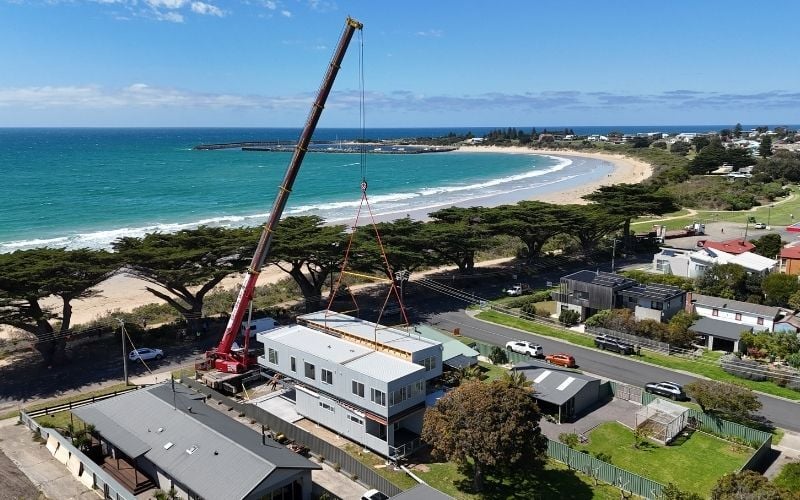
One of the strongest financial advantages of modular construction is speed.
Traditional builds can take many months, and during that time buyers may still be paying rent, covering another mortgage, or managing other living costs while waiting for the home to be completed. These holding costs are often overlooked, but they can add real pressure to cash flow.
How faster build times can help
Because prefab modular homes can often be delivered faster, buyers may benefit from:
• Less time paying overlapping housing costs
• Lower holding costs during construction
• Reduced financial pressure on household cash flow
• Moving into the home sooner
Choosing to build a modular home can make strong financial sense. It is not just about the loan product itself, it is also about how the speed of the build can help reduce stress and improve overall affordability.
How Banks Value Modular Homes
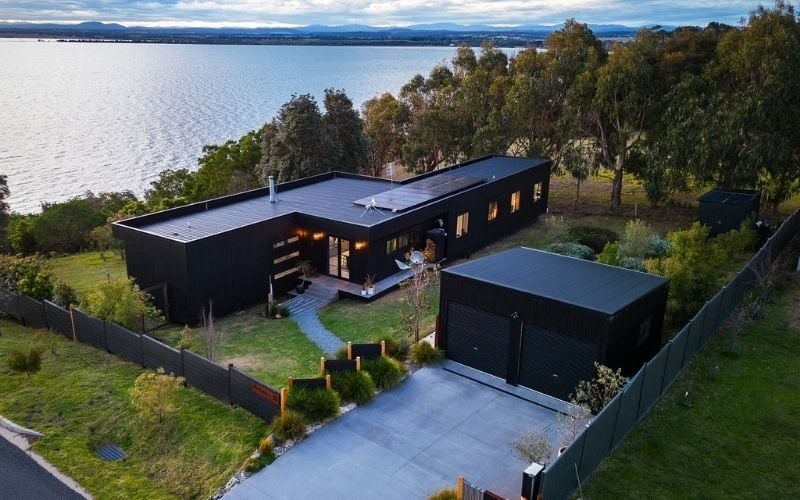
Another common question is whether banks value modular homes differently from traditional homes.
In the podcast, Daniel explains that lenders generally use an “as if completed” valuation. This means the bank looks at the value of the finished project once the home is completed on the land. In practice, modular homes are not being treated dramatically differently to traditional homes in this area, which is reassuring for buyers.
A few things to keep in mind
• Lenders usually value the completed project as a whole
• They prefer costs to be clearly included in the contract
• Extras outside the contract may need to be funded separately
What extras could sit outside the contract?
For example, items like a pool, larger solar system or other out-of-scope upgrades may not be included in the bank’s lending assessment unless they form part of the contract. With good planning and a clear project scope, this part of the process can be handled smoothly.
Why Pre-Approval Should Come First
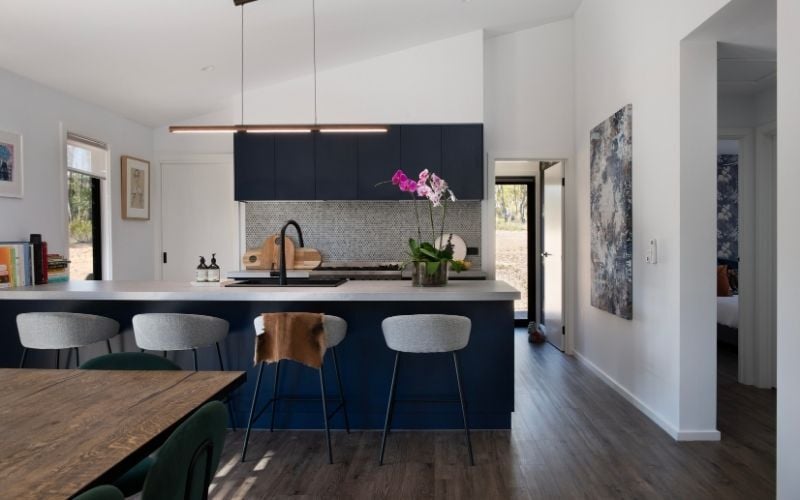
If there is one step buyers should prioritise early, it is pre-approval.
Before committing to upfront costs or progressing too far into design, it is important to know what a lender may be willing to support. Pre-approval helps buyers understand their likely borrowing capacity and gives them a more realistic budget to work with.
Why it matters
• Plan with confidence
• Avoid wasting time on options outside budget
• Move into design with greater clarity
• Reduce uncertainty early in the process
Daniel also explains that pre-approval is often relatively quick when documents are ready. In many cases, it can remain valid for around 90 days and may be extended if the buyer’s circumstances have not changed.
For Anchor Homes clients, this is especially valuable. It means project planning can begin with a clearer understanding of what is achievable from a finance perspective.
Pre-Approval vs Formal Approval: What’s the Difference?
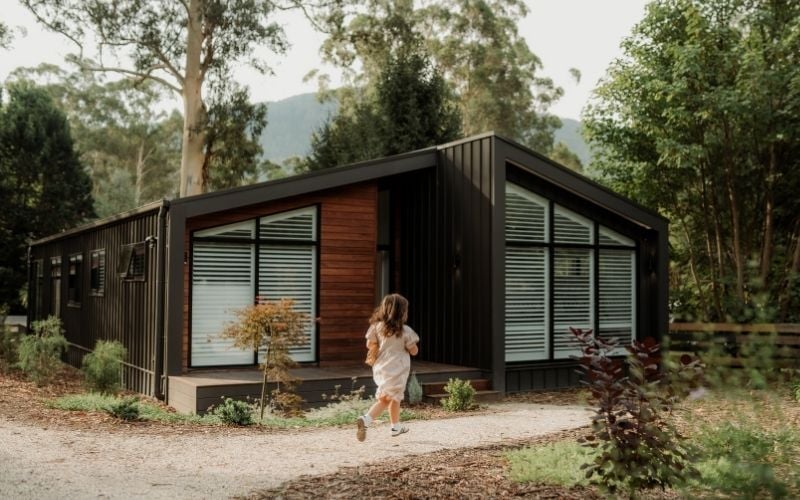
One of the more practical points from the podcast was why some lenders ask buyers for a full building contract earlier than expected.
Sometimes a buyer is simply trying to get pre-approved, but the lender or broker starts asking for a final contract straight away. That can create confusion and make it seem like the buyer cannot move forward until every part of the project is locked in.
Understanding the two stages:
1. Pre-approval
This is the early stage where the buyer is confirming borrowing capacity and finance position.
2. Formal approval
This comes later, once the contract, valuation and supporting documents are ready.
That distinction matters. Buyers do not need to have every detail finalised before they start understanding whether they can borrow. Working with a broker who understands modular construction can help keep the process in the right order.
How Much Deposit Do You Need For A Modular Home?
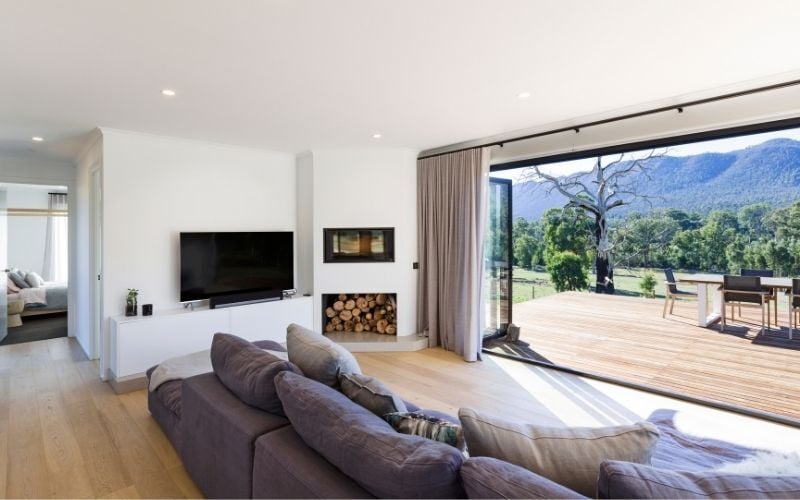
Deposit requirements for modular homes are often more familiar than buyers expect.
A 20% deposit is generally a strong benchmark, just as it is with many traditional home loans. However, there may also be options available for buyers with less, depending on the lender and the buyer’s overall circumstances.
Daniel also points out that lender options have improved significantly in the modular space. With Anchor Homes accredited by CBA under its modular finance pathway, buyers may have access to lending structures that feel much closer to a traditional build than they might expect.
Deposit flexibility can depend on:
• Income
• Savings
• Equity in another property
• Other assets
• Current lender policy
What The Finance Process Looks Like For A Modular Home
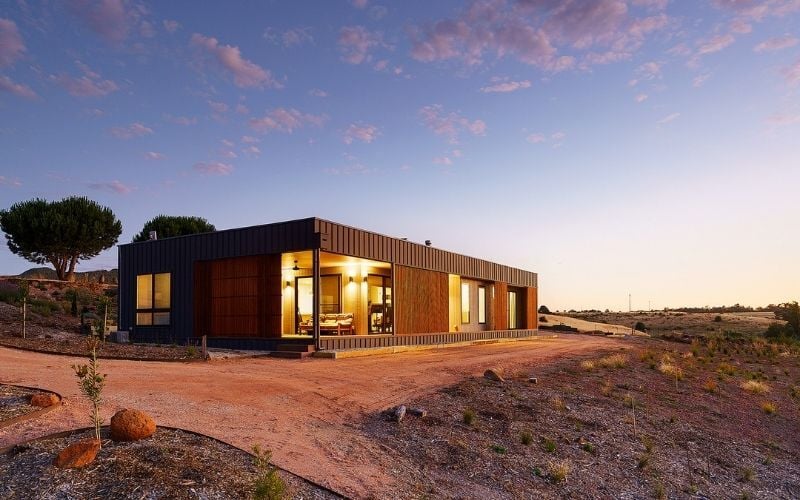
When broken into stages, the modular finance process is actually quite simple.
Step 1: Start with a broker who is familiar with prefab modular homes
The first step is a conversation about your goals, budget and financial position.
Step 2: Gather documents and seek pre-approval
Your broker collects the necessary information and submits an application so the lender can assess your borrowing capacity.
Step 3: Sign your pre-construction agreement with Anchor Homes
Once pre-approval is in place, you can move forward with confidence and sign your pre-construction agreement with Anchor Homes. The pre-construction phase covers the planning, documentation and early project work needed before your building contract is finalised. It also gives you the opportunity to refine the design and project scope.
Step 4: Finalise the contract and valuation
Once pre-construction phase is complete, Anchor Homes prepares your final building contract and the lender arranges a valuation of the completed project.
Step 5: Move to formal approval and sign your building contract with Anchor Homes
Once the lender has the contract and valuation, the loan can progress to formal approval. Once formally approved, you can move forward with confidence signing your building contract with Anchor Homes.
Step 6: Progress payments during the build
Payments are then released in stages as the build progresses. For the final progress payment on a modular home, lenders will typically want to see that the home is fixed to the site and connected to services. Once that stage has been reached, the final payment can usually be released.
A Simpler Path Forward
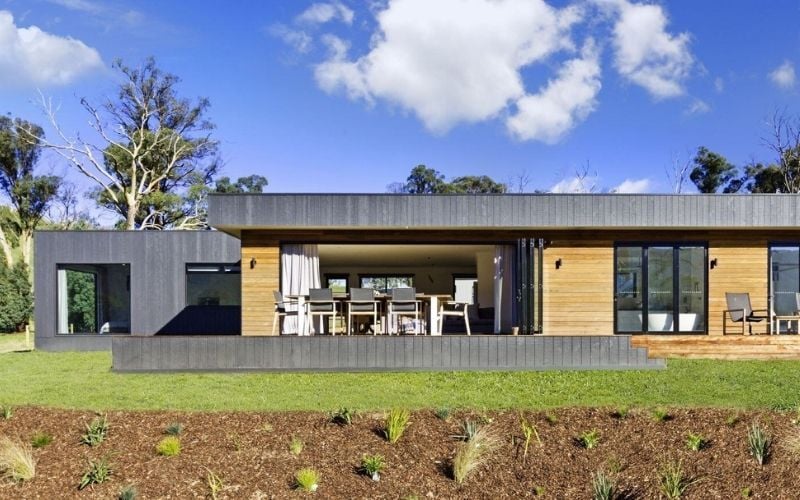
Financing a prefab modular home in Australia does not need to be difficult.
With lender support improving, stronger understanding of modular construction in the finance space, and experienced guidance from the right broker, buyers now have a much clearer path forward than many realise.
Anchor Homes’ accreditation by CBA is a strong example of how the industry is evolving. It reflects growing confidence in modular construction and gives buyers added reassurance that they are working with a builder recognised by a major lender.
If you are considering a prefab modular home and want to better understand your options, the next step is simple. Reach out to the Anchor Homes team to discuss your project, or speak directly with Daniel and the team at Level Up Loans to explore the finance side in more detail. *This article is intended for general information only and does not constitute financial advice, credit advice or lending advice. Anchor Homes does not provide financial advice. Buyers should seek independent advice from a qualified mortgage broker, lender or financial professional before making any finance-related decisions.