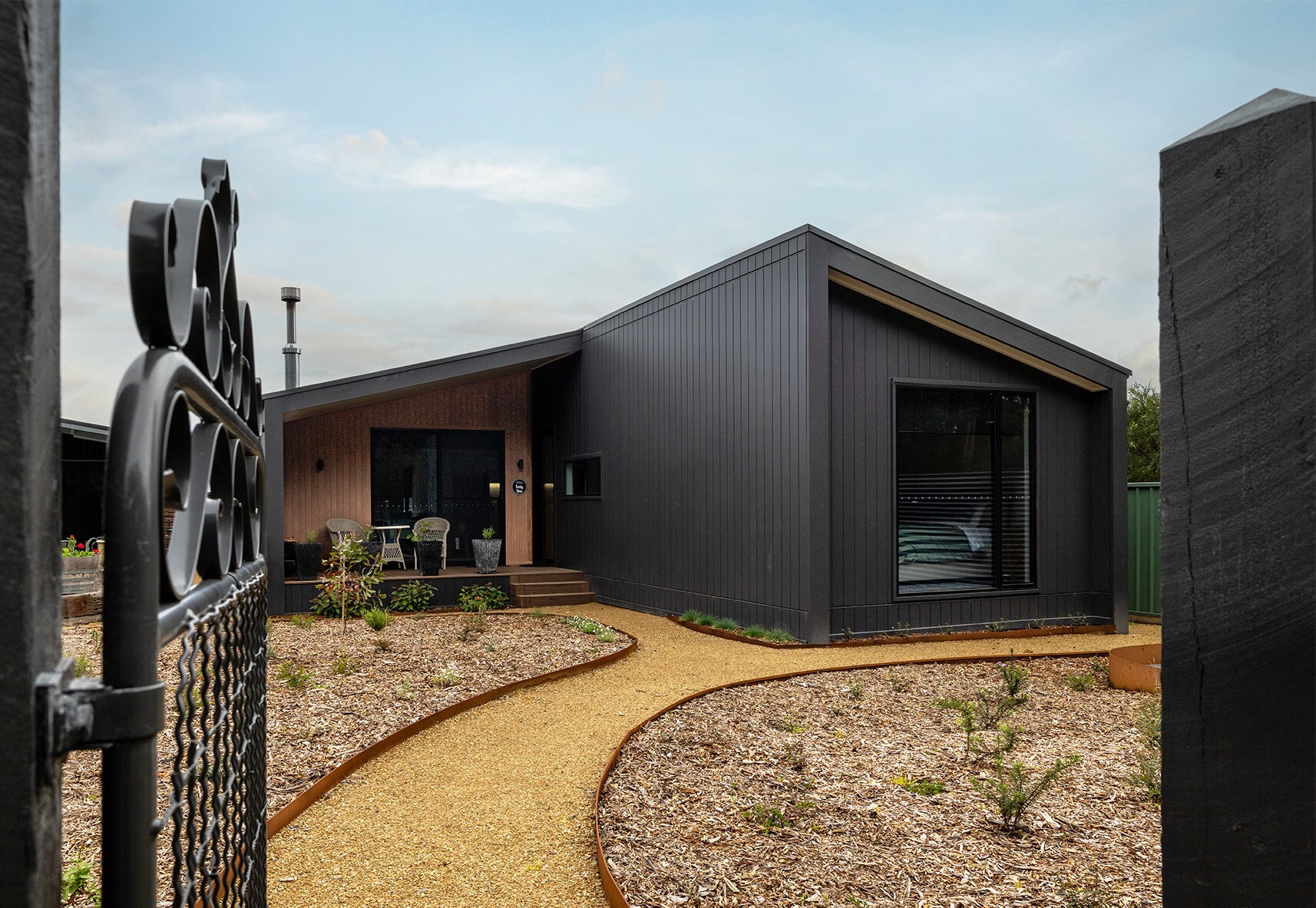




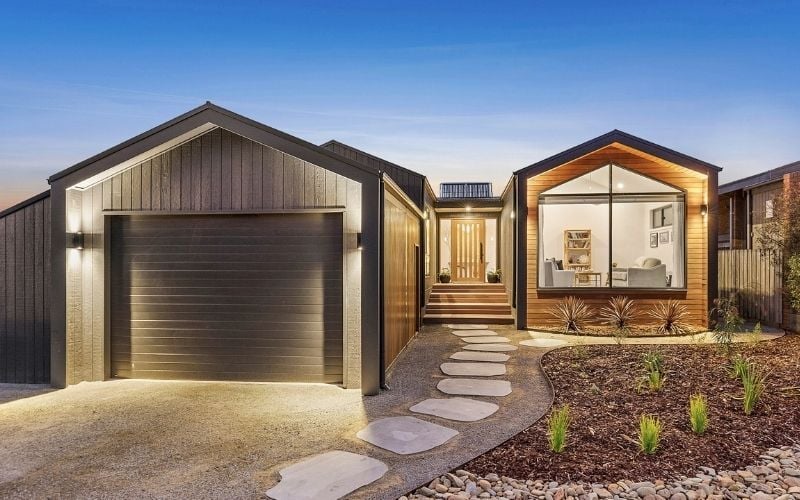
If building a new prefab modular home is on your plans for 2026, the most valuable work often happens before the first formal decision is made. A small amount of preparation early can make the entire experience clearer.
To support you, we've outlined a practical five-step checklist that reflects the questions we see most often at the start of a build journey. Whether you already own land or you’re still exploring options, this guide is designed to help you move forward with confidence, reduce uncertainty, and make better decisions as your plans take shape.
Your Pre-Build Checklist
1: Confirm Your Land Is Suitable for Modular Home Delivery
This step is essential whether you already own a block OR you’re considering purchasing land.
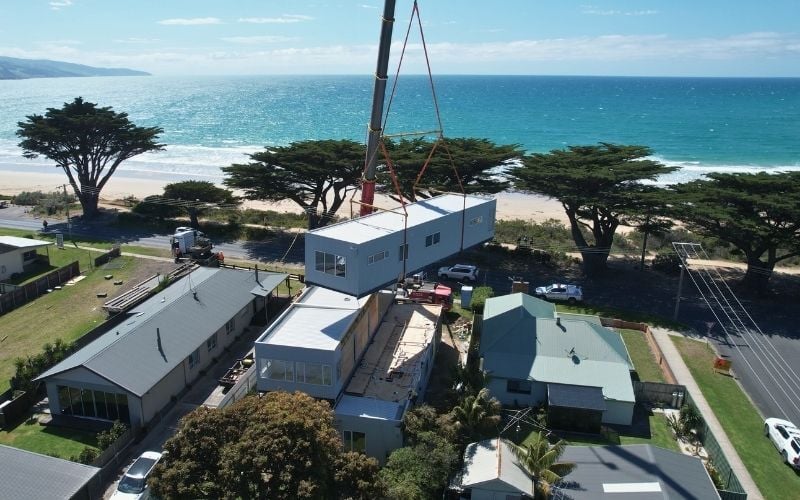
Modular construction requires suitable access for delivery vehicles and depending on the project, crane access may also be required for installation. When access and setup conditions are straightforward, the delivery and installation process is far more efficient and predictable.
That’s why we offer a free desktop site assessment. It provides an early indication of whether a site is likely to support modular delivery and installation, helping you make informed decisions before you commit.
When reviewing a block, we typically look for 🔎:
✔ Clear access free of overhanging trees, providing adequate height and width clearance 🌳
✔ A route with minimal overhead obstacles, including sufficient clearance near powerlines⚡
✔ Roads that are wide enough for delivery vehicles, with practical turning space where required 🛣️
✔ A suitable driveway or entry point for safe delivery, considering width, surface, and gradient 🚚
✔ Crane access (where required), including space for setup and safe lifting zones 🏗️
Helpful Tip: If we discover a block you're considering purchasing isn’t the right fit for a modular delivery, we’re absolutely here to help. We’re always more than happy to review other blocks you’re interested in so you can move forward with greater confidence and choose land that supports a smooth modular home delivery.
Step 2: Set Project Budget & Finance Approach
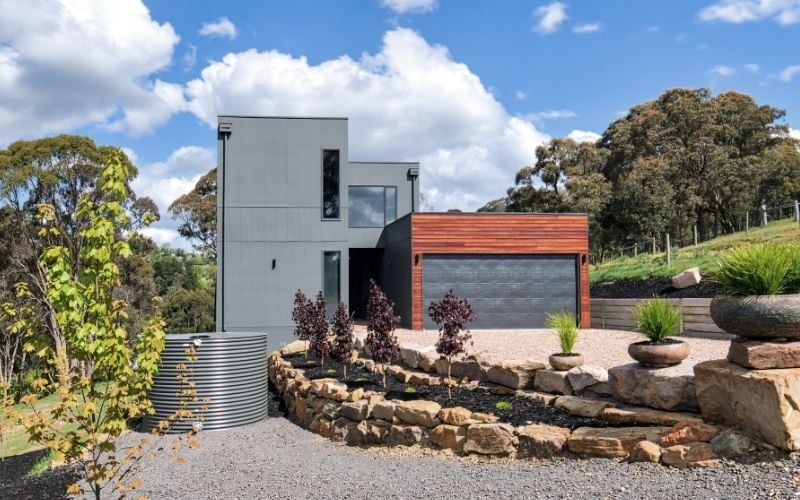
Your budget shapes every decision that follows, from design, specifications, to site works and more. That’s why we ask about it early. It helps us protect your time, keep expectations clear, and tailor the right options for your block, preferred style, and goals from the start.
Once we understand your budget range, we can recommend the most suitable home designs while accounting for site-specific variables. We will also talk through the key cost areas that influence your overall investment, such as site works, any BAL requirements (if applicable), and service connections. If upgraded finishes are on your wish list, we can help you prioritise what matters most and keep everything aligned.
Most importantly, we want this to be the right fit for you. Our focus is to recommend options that are genuinely achievable within your comfortable spend range, and avoid anything that would push beyond what makes sense for you.
When developing your budget, consider 🔎:
✔ Your comfortable budget range (min to max) 💲
✔ Your preferred level of finish (standard vs upgraded) ✨
✔ Block-specific requirements (e.g., BAL upgrades etc) 🔥
✔ Service setup and connections (e.g. on-grid or off-grid) 🔋
✔ How you’ll fund the build (cash, finance, or both) 💳
Do You Require Modular Home Finance?
In the past, securing finance for modular construction was more difficult to navigate. Some lenders didn’t have established policies that aligned with modular builds. However, this is changing, driven by strong demand for prefab modular homes across Australia.
In late 2025, one of Australia’s largest banks, the Commonwealth Bank, announced it would offer lending for prefab modular homes. This marked an important step for the industry and creates a clearer pathway for clients who plan to borrow.
Even better, Anchor Homes is a CommBank Assessed Manufacturer, meaning CommBank has assessed Anchor Homes against strict criteria relevant to their modular lending framework. For clients, the benefits are:
• Greater access to funds for eligible Anchor Homes clients
• Extra reassurance working with a lender familiar with modular construction
• Building with an assessed manufacturer can support a smoother lending pathway
(As always, it’s advisable to speak with your lender or broker early to understand borrowing capacity and requirements.)
Step 3: Select Your Preferred Design Pathway
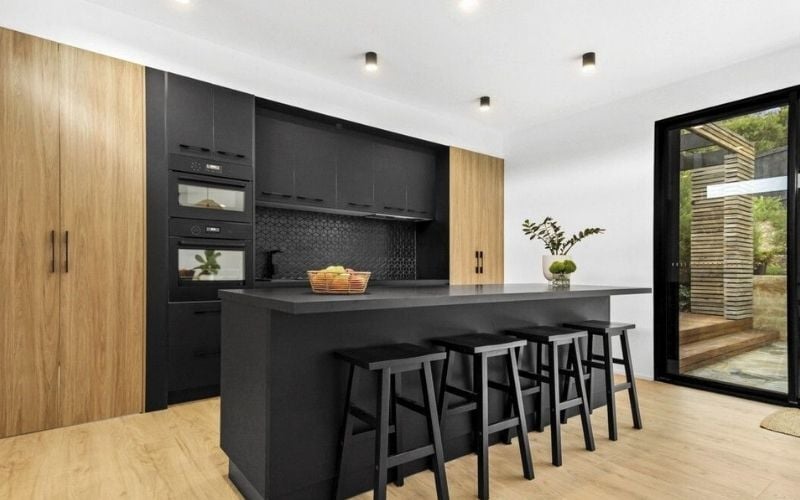
Once you have clarity on land suitability and budget, the next step is determining your design pathway. At Anchor Homes, clients typically follow one of three approaches:
• Option 1: Select a home from our standard design range 🏠
• Option 2: Modify a home from our standard design range 🔀
• Option 3: Proceed with a custom home design (led by our in-house architect) ✏️
If you’re uncertain which designs may suit your site (based on size, footprint, or configuration) our team can provide guidance and suggest suitable options based on the information available.
If you are still researching, it can be helpful to download our designs brochure and review the standard range of floorplans we offer in detail. As you do, clarify your core requirements such as:
• Bedrooms, bathrooms, and storage needs
• Home office or multi-purpose spaces
• Living areas (open plan vs separate zones)
• Entertaining flow and indoor/outdoor connection
• Style preferences and overall design direction
If a design is close but not quite right, a modified pathway may be appropriate. If your requirements are unique or your vision is highly specific, a custom design may be the most suitable option.
Step 4: Identify Any Project-Specific Site Requirements
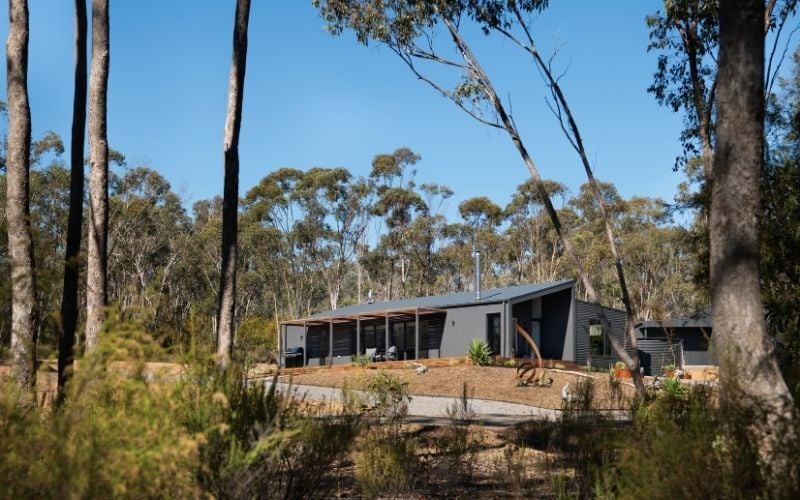
Site requirements can vary significantly, even between blocks of similar size. Understanding likely requirements early supports better planning and more accurate cost expectations.
Depending on your location and site conditions, you may need to consider:
• Bushfire requirements (BAL) in bushfire-prone areas
• Council and planning considerations, including overlays or approval conditions
• Service connections (power, water, sewer vs septic, stormwater)
• Access and driveway works to support delivery and installation
• Slope and soil considerations that influence footing design and site works
If you are unsure which of these apply to your block, our team can guide you on how to find out this information. This is a common area where early guidance saves time and improves decision-making later.
Step 5: Request A Tailored Quote
Many clients start with a price list, which is a useful first reference. Base prices generally reflect the cost of a chosen home design delivered to your area/postcode, with standard inclusions.
However, base pricing isn’t tailored to your specific block, as site-specific conditions can influence costs. Even with the same home design, the overall price can change depending on the specific block you plan to build on . Factors like site slope, delivery access, bushfire requirements (where relevant), and service availability (plus any site works needed to suit your location) are need to be taken into consideration.
A tailored quote is designed to reflect:
• Your selected home design with our standard inclusions
• Any known personal requirements such as preferred upgraded selections
• Any known external requirements and site-specific factors
• Reasonable allowances where details are not yet confirmed
Requesting a tailored quote provides you with the clearest understanding of your likely build cost and the most suitable path forward. The more information you can share, the more accurate your quote will be. Where details are still to be confirmed, we will include sensible allowances to provide a realistic cost expectation. Transparency is a priority at Anchor Homes, and it is something we are consistently praised for in client feedback.
Start Planning Your Dream Home
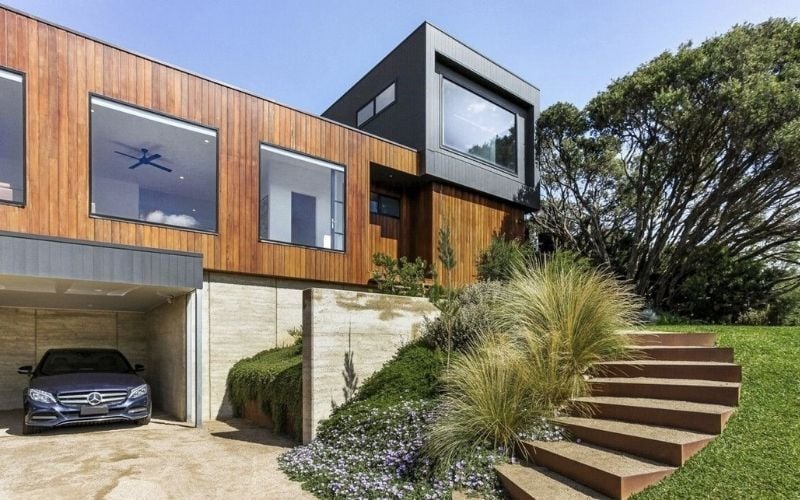
A successful modular home build starts well before the build begins. By confirming your land is suitable for modular delivery, setting a clear budget and finance approach, choosing the right design pathway, and understanding any site-specific requirements early, you create a smoother, more predictable experience. From there, a requesting a tailored quote brings everything together, giving you a clear picture of your likely overall investment based on your block, your design direction, and the level of finish you want.
If building a new prefab modular home is on your plans for 2026, we would love to help you take the next step. If you would like assistance at any stage or have any further questions, please feel free to contact our helpful team.
.gif)