




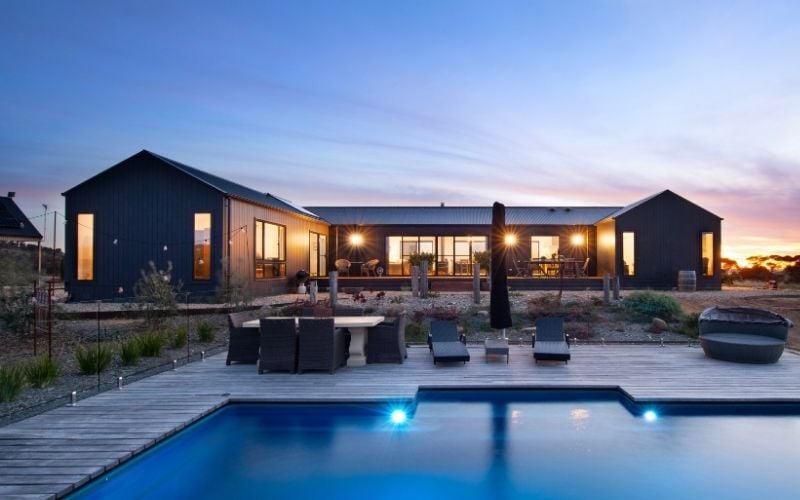
If you’re planning to build a home in 2026, modular homes are likely already on your radar, and for good reason!
Once seen in the past as an alternative option, prefab modular homes (or 'pre-built' homes) have firmly moved into the mainstream. They offer a smarter way to build: faster timelines, better quality control, and greater certainty around cost and delivery. And importantly, today’s modular homes look and feel just like high-end, architecturally designed homes , because that’s exactly what they are.
The question most people ask first, though, is simple: how much does a modular home actually cost? Let’s walk through it...
Why Modular Homes Are Surging in 2026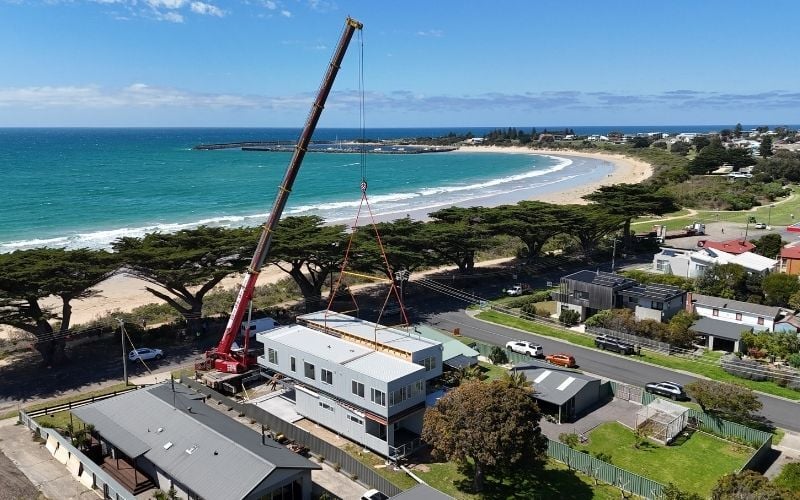
The way Australians build homes has changed dramatically.
Rising construction costs, labour shortages, and unpredictable timelines have pushed many people to look for better alternatives, and modular construction has stepped up.
In 2026, one of the biggest advantages of modular building is time. Rather than builds stretching out over years, modular homes are completed in weeks, with most of the construction taking place in a controlled factory environment.
This approach means fewer delays, tighter quality control, and a much smoother experience overall. It’s no surprise that modular homes are now one of the fastest-growing segments of the Australian building industry.
So, What Does a Modular Home Cost in 2026?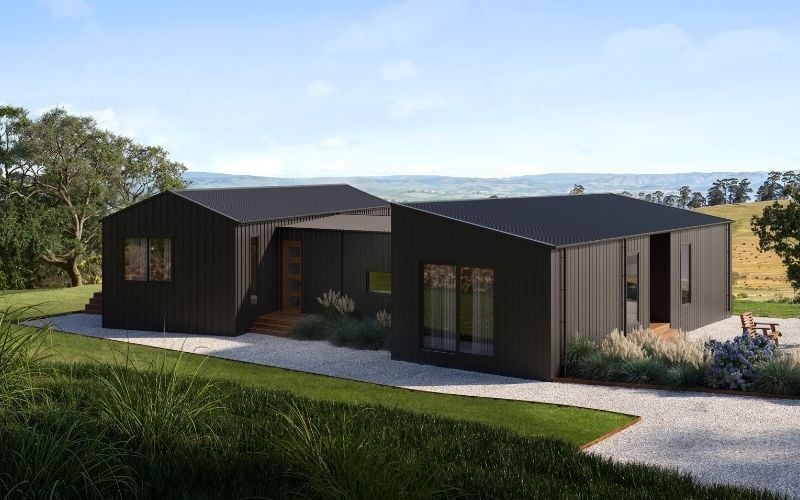
At Anchor Homes, these are the more typical price ranges for a finished modular home:
• $300,000+ for a small modular home
• $500,000+ for a family-sized home
• $700,000-$1,000,000+ for a large, bespoke, architecturally designed modular home
These ranges offer a useful benchmark for understanding the overall investment once your home is fully finished and ready to live in. However, they are indicative only, as every project is different and final costs will vary.
Final costs vary because every block of land, location, and design is unique. To give you clarity early on, we provide a downloadable price list that shows the base price, or starting point, for each of our designs.
 Base prices found within our price list include a wide range of standard inclusions and delivery of the home. They represent the foundation of your build, before any project-specific requirements are considered.
Once the base price is established, any project-specific costs are added if needed. By calculating project-specific items separately, you only pay for what your site and lifestyle actually require, not what someone else might need.
For example: An off-grid home may require additional systems such as solar power, water tanks, or septic solutions. These costs are only added when relevant. If you’re not wanting to build an off-grid home, these additional upgrades may not be necessary, so we would not add them when pricing your project.
To explore in more detail what additional costs might apply beyond the base price, please read on...
What’s Included in the Base Price? (And What’s Not)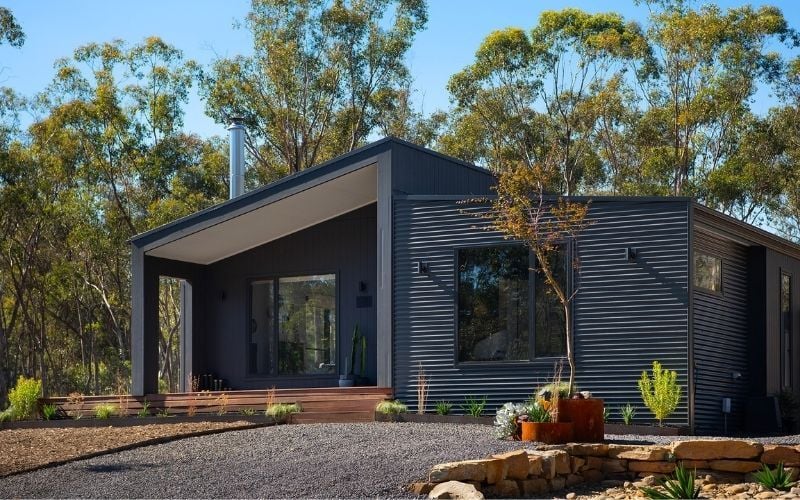
It’s essential to learn what’s included, and what isn’t, so you can make informed decisions and avoid budget surprises later.
1. Standard Inclusions vs Upgrades
Standard inclusions can vary significantly between modular home builders, so it’s important to compare them side by side to understand where value is included.
At Anchor Homes, our standard inclusions deliver a high-quality, well-finished home. You can choose to build entirely with standard inclusions, start with standard and add upgrades where desired (the most popular option), or upgrade most or all selections for a more customised finish.
Any upgrades are priced separately, giving you flexibility and control over your budget. We work with a wide range of trusted suppliers, so you’ll have plenty of choice either way.
For tips on how to compare modular home quotes, click here.
2. Project-Specific Pricing Factors
Every modular home project is unique and certain aspects of your block and location can influence overall cost. Some common pricing factors include:
• Block Type
Flat sites are generally the most cost-effective, requiring minimal site preparation. Sloping sites or rocky sites may need excavation, retaining walls, or engineering adjustments, which will add to the cost of your project.
• BAL (Bushfire Attack Level) Rating
A low BAL rating is more cost-effective, typically requiring only standard building materials. A high BAL rating will require investment in specialised, compliant building materials, which will increase the overall build cost.
• Delivery Access
Sites with straightforward access (where delivery trucks can drive directly onto the block) tend to be the most cost-effective, as no extra equipment is typically required. In contrast, sites with limited access, such as steep blocks or narrow driveways, may require a crane to position the modules, which can increase costs. It’s also important to note that all two-storey modular homes will need a crane to lift and place the upper-level modules.
We highly recommend requesting a free desktop site assessment with our team to best determine if access is possible to deliver an Anchor Home to your block.
3. Utilities and Services
Utilities can also have a major impact on cost, especially for rural or off-grid sites:
• Long Utility Runs
For example, power or water from the road may add to connection expenses
• Septic Systems
These are required for blocks without mains sewer access
• Off-grid Builds
These usually involve solar, battery storage, water tanks, and more, which adds upfront cost but can lead to long-term savings and independence.
4. Delivery Costs
Always check whether delivery is included in your quoted price as it can make a big difference to your final budget.
✔ At Anchor Homes, delivery of your home is a standard inclusion in our base prices right from the start because we see it as a core part of your home build.
While some modular builders may advertise lower starting prices, they often add delivery costs later on, which can significantly increase the total project cost.
How Modular Pricing Compares to Traditional Builds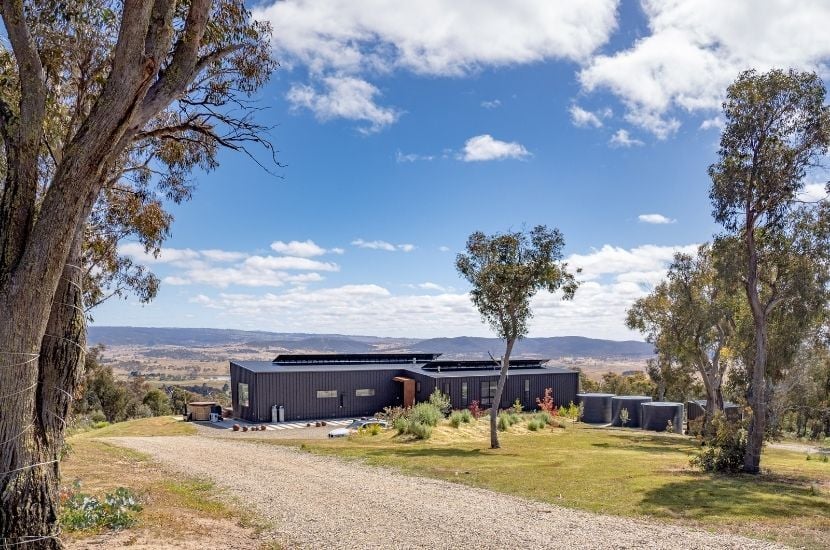
One of the biggest differences between modular and traditional construction isn’t just speed - it’s cost certainty.
Traditional site-built homes are vulnerable to weather delays, material shortages, and extended labour timelines, all of which can push budgets higher as the build progresses. Modular homes, by contrast, are largely constructed off-site in a controlled environment, significantly reducing these risks.
Because of this, modular building often delivers:
• More predictable pricing
• Shorter construction timelines
• Reduced labour and holding costs
• Less exposure to weather-related delays
We explore this in more detail in our blog on the cost-effective benefits of modular homes, where we break down why modular construction can be a smarter long-term investment.
Prefab Homes: What Type Is Right For You?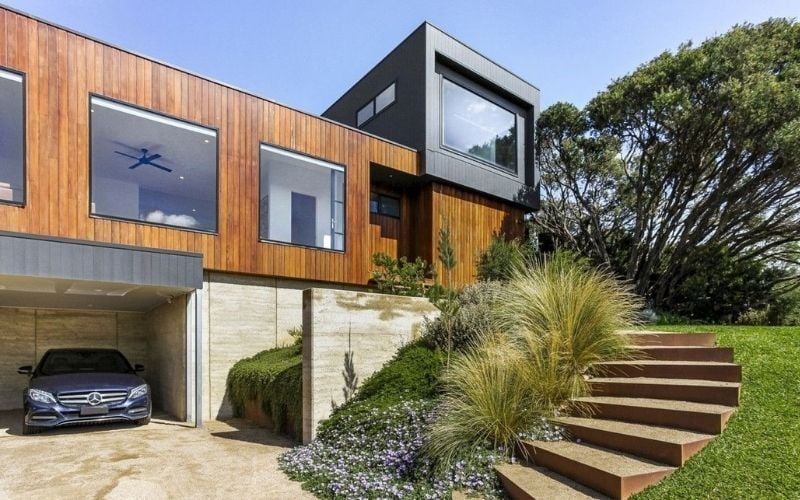
The term “prefab” is often used to describe a wide range of off-site construction methods - but it’s important to understand that not all prefab homes are created equal.
Prefab typically includes:
• Modular homes
• Kit homes
• Container homes
Each has distinct characteristics and choosing the right one depends on your goals, timeline, and expectations.
• Modular Homes
Modular homes, which we build at Anchor Homes, are constructed in large sections (modules) in a factory and delivered to site up to 95% complete. They offer high-quality finishes, faster build times, full design flexibility, and a turnkey result.
• Kit Homes
Kit home companies typically supply materials or components, with construction and coordination managed by you, the owner. They can suit experienced owner-builders but often involve more risk and hands-on involvement.
Anchor Homes does not offer kit home solutions.
• Container Homes
Container homes reuse shipping containers and generally offer limited space, insulation, and customisation.
Anchor Homes does not offer container homes.
Choosing the Right Modular Builder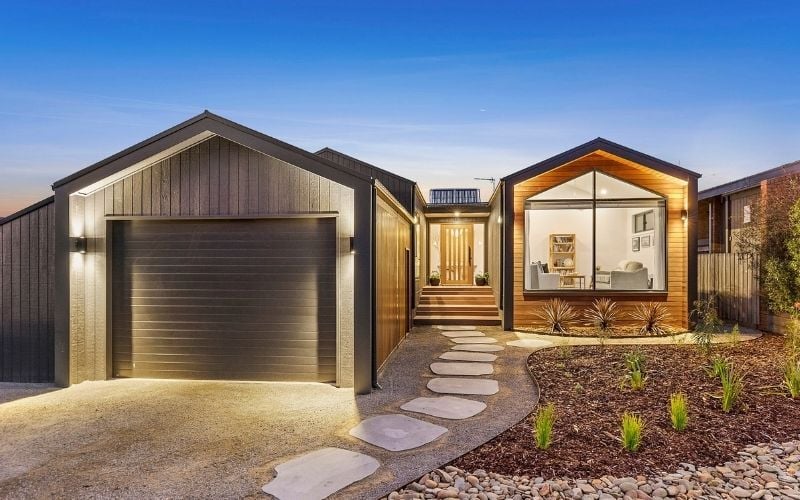
Not everything can be measured in dollars and cents - but these factors are just as important when choosing who to trust with your home build:
1. Reputation
At Anchor Homes, we’ve been building high-quality modular homes for over 20 years, and we proudly showcase real, completed homes on our project gallery. Transparency is key and we believe seeing is believing.
Some builders may promote lower prices, but if they rely solely on AI generated visuals and don’t show their actual builds, that can be a red flag. Choosing a builder with a strong reputation and real results helps ensure peace of mind and a proven product.
2. Customisation
Not all modular builders offer the same level of customisation. Some stick to rigid floor plans with limited scope for changes. At Anchor Homes, we offer standard, modified, or completely customised options, giving you a wide range of choices to achieve your dream home design.
3. Client Support
Experience and support vary across the industry, but not all builders offer the same level of expertise. For over 20 years, Anchor Homes has ensured a smooth building process with expert guidance from our team from start to finish, delivering a reliable, high-quality home.
At the end of the day, a home is a major investment and it pays to choose a builder you can trust.
Ready to Build Your Dream Prefab Modular Home?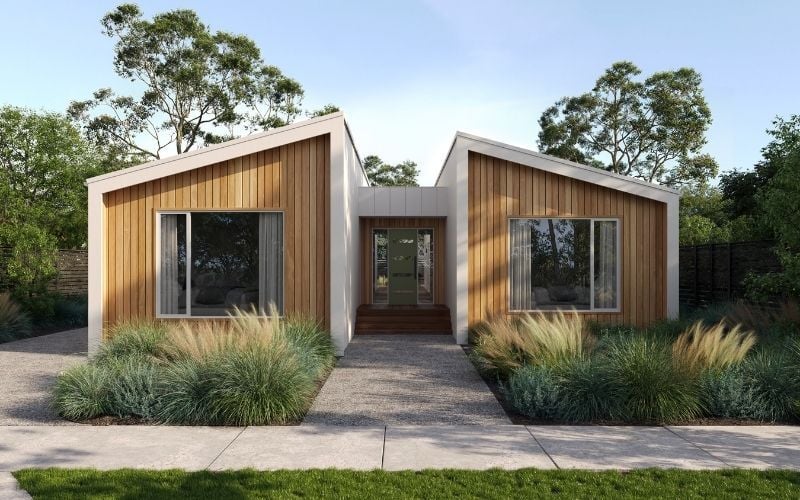
Building a home is a major investment and choosing the right building method and builder makes all the difference.
Modular homes continue to grow in popularity because they offer what many people want most in 2026: quality, efficiency, flexibility, and clarity around cost and timelines.
If you’re ready to move from general pricing to real numbers, the next step is simple.
Request a tailored project quote, specific to your block, design requirements, location, and goals. Our team will walk you through the details and help you plan with confidence.
.gif)